


See the Platform in Action
Get a behind-the-scenes look at how Core Factors equips you to drive meaningful growth.


Organizations have more workforce data than ever, but much of it explains what is happening rather than why. The missing piece is emotional data: measurable insight into how people think, connect, and respond under pressure. This emotional layer is the next frontier of business intelligence. It translates human behavior into an actionable strategy. With tools…

What Isabel Myers was building toward Isabel Myers did not set out to create a categorization tool. Her goal was to make Jung’s theory of psychological types understandable and usable in everyday life. She believed that people grow, that preferences are real, and that the type code was a starting point for development, and individual…

Insight Alone Isn’t Enough Career assessments are a common starting point in coaching engagements. They provide structure, language, and reflection that help clients better understand what they want and need from their work. Yet many clients finish an assessment with insight but no clear next step. They may say, “This feels accurate,” or “This explains…
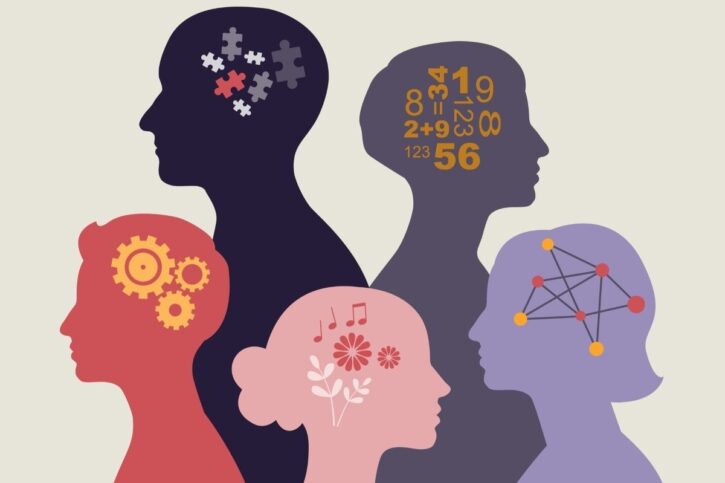
Why Cognitive Diversity Matters More Than Ever Work today is defined by complexity. Teams face ambiguous problems, rapidly changing environments, and a constant need to innovate. Cognitive diversity, or the presence of varying approaches to processing information, solving problems, and making decisions, has become one of the most valuable assets an organization can cultivate. Research…

Leadership has long been defined by the ability to handle pressure. The traditional model rewards endurance; leaders who push through challenges, stay late, and absorb stress without showing strain. As organizations face constant transformation, that definition no longer holds. Endurance alone is not sustainable. Resilient leadership means balancing pressure with recovery. The ability to recharge,…

Hybrid work has opened new possibilities for flexibility, autonomy, and work–life balance. Yet it has also introduced a challenge many organizations did not anticipate: staying connected in ways that feel authentic, supportive, and human. Video calls replace hallway conversations, chat messages replace tone and nuance, and asynchronous workflows replace the natural rhythm of shared physical…

Why Insight Doesn’t Automatically Lead to Growth Many clients walk away from personality assessments with a strong sense of recognition. They feel seen and understood. Yet recognition alone rarely produces change. Insight becomes meaningful only when it is translated into intentional, ongoing development. This is where many type-based processes fall short. They describe preferences clearly…

Moving Beyond the Buzzword “Meaningful work” is one of the most common goals clients name in coaching conversations. It may appear as a headline on an intake form or as a quiet frustration beneath a successful but unfulfilling role. Yet when clients are asked to define what meaningful actually means to them, many hesitate. Their…

Every organization is in transition. New technologies, strategies, and structures continue to reshape how people work. Yet for many employees, change no longer feels exciting. It feels exhausting. The term “change fatigue” has moved from HR jargon to a daily reality. Leaders see it in quiet disengagement, cautious communication, and the slow erosion of trust…

Most teams believe they communicate clearly. People attend the same meetings, read the same documents, and discuss the same goals. Yet even with all this shared information, teams often walk away with very different interpretations. One person believes a decision has been finalized; another believes it is still under consideration. Someone thinks the next steps…

Every project begins with the belief that everyone understands the goal. Teams walk away from kickoff conversations feeling aligned, confident that they share a clear picture of success. Yet weeks later, frustration begins to surface. Work requires revision because it wasn’t what someone expected. Decisions feel premature to some and overdue to others. Some team…

Why Growth Requires More Than a Four-Letter Type When most people first encounter psychological type, they assume it describes a fixed pattern that says, “This is who I am.” Practitioners know the reality is more dynamic. Type reflects innate preferences, but life continually shapes how those preferences are expressed. Over time, people develop new behaviors,…

The Urgency to Reskill and the Risk Behind It Clients are hearing a constant message: reskill or fall behind. Whether driven by emerging technologies like AI, industry disruption, or fear of job loss, the pressure to keep up is everywhere. Many clients enter coaching conversations expressing interest in retraining for something new. But beneath that…

Organizations invest heavily in improving engagement, yet global engagement levels remain nearly unchanged. Surveys evolve, platforms update, and recognition programs expand, but the results rarely move. The reason is often simpler than it appears. Engagement is not built through systems. It is built through communication. When employees feel heard, informed, and valued, they engage. When…

Most teams communicate far more than they need to. They meet frequently, send countless messages, share documents, and provide updates intended to keep everyone informed. Yet despite this volume of communication, teams often feel less aligned. People walk into meetings unclear about priorities. Decisions need to be revisited because they were not fully understood. Updates…

Why Out-of-Type Behavior Happens More Than Practitioners Realize Every experienced practitioner encounters clients who, on paper, appear likely to behave one way based on their type, yet show patterns that look very different. An introverted type who thrives in group facilitation. A feeling-oriented type who appears highly analytical. A judging type who seems spontaneous and…

The Widespread Illusion of Being Self-Aware Self-awareness is widely regarded as essential for leadership, emotional intelligence, and interpersonal effectiveness. Yet it is also one of the most misunderstood capabilities. Many people believe they understand how they think, how they affect others, and where their blind spots lie. Research suggests otherwise. Organizational psychologist Tasha Eurich found…

For years, learning and development professionals have struggled to answer a deceptively simple question: What is the business impact of our programs? Despite steady investment in leadership and interpersonal training, most organizations still rely on anecdotes, satisfaction surveys, or engagement scores to prove value. Traditional metrics often fail to capture what matters most: the behavioral…

Collaboration is essential to modern work, yet for many teams it has become unexpectedly exhausting. Workers are spending more time than ever exchanging messages, attending meetings, and coordinating work across functions. And while organizations continue to emphasize collaboration, many employees feel their collaborative efforts drain more energy than they create. Teams want to collaborate well,…

Rethinking the Passion Narrative Clients are often told to follow their passion. The advice sounds empowering, but it can create real challenges. Some clients pursue passion-based paths that are difficult to sustain. Others abandon what they love before they begin, worried it will never be practical. This leaves practitioners navigating a familiar tension. Encouraging enthusiasm…