Why Cognitive Diversity Matters More Than Ever
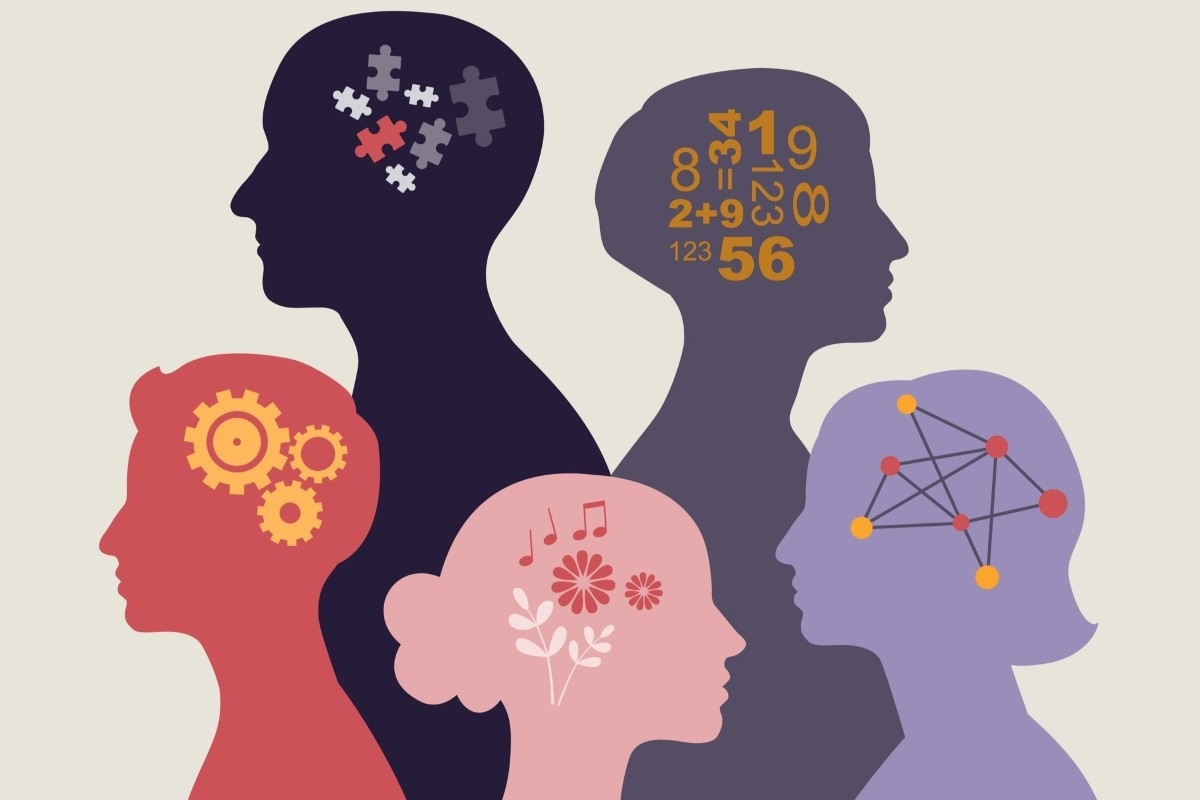
Work today is defined by complexity. Teams face ambiguous problems, rapidly changing environments, and a constant need to innovate. Cognitive diversity, or the presence of varying approaches to processing information, solving problems, and making decisions, has become one of the most valuable assets an organization can cultivate.
Research consistently shows that teams with high cognitive diversity perform better on complex tasks. Studies published over the past decade demonstrate that diverse-thinking teams solve problems faster, generate more innovative solutions, and make fewer errors than homogeneous teams. One Harvard Business Review analysis found that cognitively diverse teams were significantly more effective at tackling unfamiliar challenges because they avoid the blind spots that plague uniform groups.
Yet despite this evidence, teams often struggle to work across thinking differences. Many interpersonal tensions stem not from conflicting personalities or values, but from unrecognized differences in how individuals interpret information, structure decisions, and engage in communication. Without a shared language for these differences, collaboration can feel inefficient or personal.
Why Cognitive Differences Often Look Like Interpersonal Conflict
Cognitive diversity would be easy to harness if people naturally embraced differences in how others think and communicate. In practice, many teams fall into what Core Factors describes as the “Be Like Me” bias, the assumption that others should approach problems, interpret information, and respond emotionally in the same way they do.
When team members operate from this unconscious expectation, differences are often evaluated as inefficiencies or misunderstandings. Common patterns include:
- An analytical thinker interpreting rapid decision-making as impulsive
- Brainstorming-oriented contributors perceiving structured planners as rigid
- Emotionally engaged team members feeling dismissed by logic-first communicators
- Reflective thinkers feeling overshadowed by those who think aloud
In each case, tension arises from predictable differences in cognitive and interaction styles rather than personal shortcomings. This is why self-awareness, perspective-taking, and interpersonal adaptability form the foundation of effective collaboration.
Core Factors refers to these transferable capabilities as Portable People Skills®, patterns of thinking and relating that influence effectiveness across roles, relationships, and contexts.
What the Research Says About High-Performing, Diverse Teams
Post-2022 research in organizational psychology, team science, and AI-supported collaboration continues to reinforce the advantages of cognitive diversity.
Research by Lu Hong and Scott E. Page shows that teams with varied thinking patterns outperform homogeneous groups when addressing nonlinear and ambiguous problems because they explore multiple angles rather than converging prematurely on a single solution.
Other large-scale analyses show that inclusive decision-making processes deliver faster decisions with fewer meetings, while reducing groupthink and overconfidence.
Recent findings also suggest that AI-supported development tools can amplify the benefits of cognitive diversity by prompting reflection, reducing bias, and encouraging quieter or more reflective thinkers to contribute consistently.
Despite these advantages, cognitive diversity only improves performance when teams possess the interpersonal skills required to work across differences. This is where development practitioners play a critical role.
The Interpersonal Skills Needed to Leverage Cognitive Differences
Cognitive diversity elevates performance only when paired with capabilities that help individuals translate awareness into action. These skills include:
- Self-awareness of one’s cognitive preferences and blind spots
- Perspective-taking and mental flexibility
- Interpersonal effectiveness in mixed-style interactions
- Shared language for discussing differences objectively
- Situational adaptability in communication and decision-making
These skills allow teams to harness cognitive differences rather than be hindered by them, supporting collaboration across roles and environments.
What Recent Research Reveals About AI’s Role in Supporting Cognitive Diversity
Although cognitive diversity is fundamentally human, recent research suggests that AI-supported tools can strengthen teams’ ability to work across differences between formal learning moments.
Analyses from Harvard Kennedy School and McKinsey show that AI-enabled tools help individuals reflect more frequently, prepare for complex interpersonal situations, and make better decisions by providing timely cues and contextual prompts.
Studies on conversational systems and generative AI indicate that consistent engagement increases reflective processing, emotional regulation, and follow-through on interpersonal insights.
Importantly, this research does not suggest that AI replaces human facilitation. Instead, it reinforces the value of low-intensity, ongoing support that helps individuals integrate learning into real-world interactions.
Strengthening Team Learning Through Ongoing Support
Helping teams work across cognitive differences is not a one-time intervention. It is a continuous developmental process requiring reflection, practice, and reinforcement.
Supporting sustained learning includes encouraging reflection after moments of tension, revisiting shared language for differences, and creating space for diverse voices during planning and decision-making.
When teams regularly examine how their cognitive patterns interact, collaboration becomes more intentional. Differences shift from obstacles to resources, and teams build the agility needed to perform in complex environments.
For practitioners focused on collaboration and team effectiveness, Core Factors’ cognitive and interpersonal frameworks provide structured tools for building these capabilities and sustaining them over time.
Podcast: Play in new window | Download