


See the Platform in Action
Get a behind-the-scenes look at how Core Factors equips you to drive meaningful growth.


When a team cannot get aligned, the default diagnosis is usually communication. People are not listening, the message is not clear enough, or maybe the meeting format needs to change. And sometimes that is the right diagnosis, but if you have ever watched a team talk past each other despite genuinely trying to understand one…

What Changes in the Room When You Deliver Type as a Dynamic System Thoughtful practitioners build real engagement when they introduce type through interactive exercises, group discussion, and experiential activities that help participants find their best-fit type. An introduction that stops at the four-letter code leaves the deeper psychological understanding of type out of reach.…

Practitioners working with cognitive processes often describe them as standalone elements. “That is their Se showing up.” “She leads with Fe.” “He needs to develop his Ne.” This language treats the eight cognitive processes as independent instruments that can be identified, described, and developed one at a time. Read through the lens of entangled pairs,…
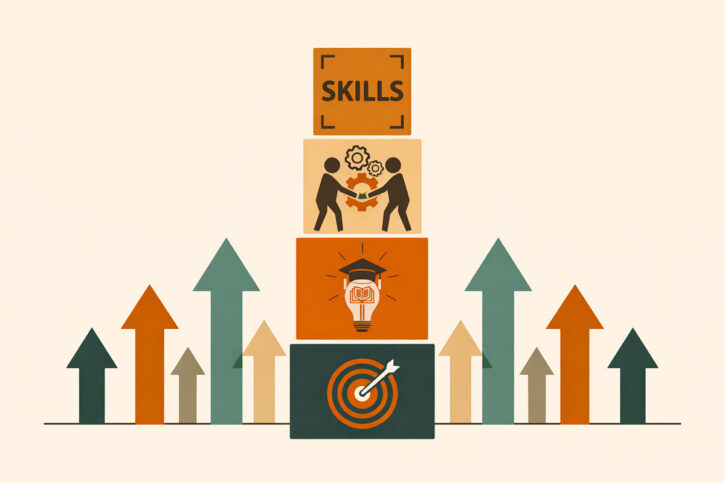
Many practitioners reach a point where the four-letter type code no longer feels sufficient to help their clients understand their type holistically. Clients describe patterns that seem more complex than their four-letter type code might suggest, and behaviors that do not align neatly with preference descriptions. Additionally, clients tend to interpret the individual preference letters…

When you deliver a type session, your participants walk away knowing something important about themselves. They have a four-letter code that captures their preferences, and they have language for differences between people that they have always felt but could not name. That is incredibly valuable, and why personality type has remained a staple of professional…

What Isabel Myers was building toward Isabel Myers did not set out to create a categorization tool. Her goal was to make Jung’s theory of psychological types understandable and usable in everyday life. She believed that people grow, that preferences are real, and that the type code was a starting point for development, and individual…

Why Accuracy Still Matters in Type Assessment For many practitioners, type assessments are a way to help clients explore patterns of behavior, motivation, and growth. Yet nearly every coach or consultant has faced the same challenge: a client who looks at their report and says, “I could be both.” Moments like that raise questions not…
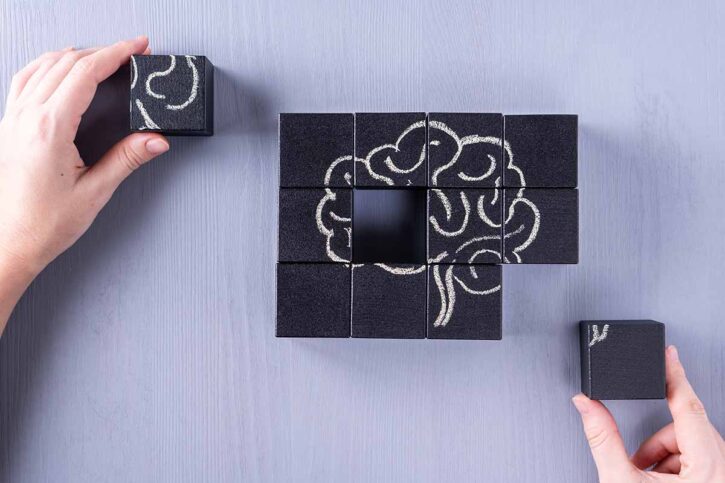
Magic is about making things happen using mysterious forces. We all accept that behind the magician’s act are “knowable” steps to repeat the magical moment. We are actually all using magic on a daily basis. We can describe and detail how our brain works right down to the molecules of chemistry interacting. However, how and…
Looking for the Majors PTI? Join Core Factors
Thank you for submitting the form
"*" indicates required fields