


See the Platform in Action
Get a behind-the-scenes look at how Core Factors equips you to drive meaningful growth.

Many practitioners reach a point where the four-letter type code no longer feels sufficient to help their clients understand their type holistically. Clients describe patterns that seem more complex than their four-letter type code might suggest, and behaviors that do not align neatly with preference descriptions. Additionally, clients tend to interpret the individual preference letters…

When you deliver a type session, your participants walk away knowing something important about themselves. They have a four-letter code that captures their preferences, and they have language for differences between people that they have always felt but could not name. That is incredibly valuable, and why personality type has remained a staple of professional…

What Isabel Myers was building toward Isabel Myers did not set out to create a categorization tool. Her goal was to make Jung’s theory of psychological types understandable and usable in everyday life. She believed that people grow, that preferences are real, and that the type code was a starting point for development, and individual…

The Hidden Cost of Team Stress Unaddressed stress may gradually affect team performance, morale, and long-term productivity. When teams face persistent pressure without effective coping mechanisms, the result is burnout, high turnover, and diminished output. Yet, not every team member responds to stress in the same way. Understanding individual stress triggers, coping mechanisms, and recovery…

The Innovation Imperative: Why Cognitive Diversity Matters Innovation is a necessity for survival in a rapidly evolving business environment. Organizations that foster innovation thrive by embracing diverse problem-solving approaches, creative brainstorming, and adaptive execution strategies. Yet innovation isn’t solely about hiring more creative thinkers. A key driver of innovation is cognitive diversity: the variety of…

Agility as a Competitive Advantage A critical factor in business success is organizational agility, the ability to quickly adapt to shifting market demands, internal changes, and external disruption. However, achieving this level of responsiveness doesn’t just depend on operational efficiency or technology adoption. It also requires the right mix of cognitive diversity within teams, where…

The Rising Challenge of Burnout in Leadership Burnout among leaders is on the rise, driven by long hours, high-pressure decision-making, and the need to constantly adapt to organizational demands. While many leaders possess the drive and ambition necessary for success, that drive can sometimes contribute to overcommitment and stress if not managed intentionally. A 2025…

Understanding the Complexity of High Performers High-performing individuals are the backbone of organizational success. They frequently deliver strong results, contribute to high standards, and may serve as key influencers within their teams. However, sustaining their engagement and growth is not as straightforward as assigning them more responsibilities or offering monetary rewards. To support their continued…

The Leadership Pipeline Challenge Organizations today face increasing pressure to build leadership pipelines that are not only deep but agile. With retiring executives and shifting workforce expectations, identifying the next generation of leaders requires more than traditional performance metrics or generalized development programs. Emerging leaders often demonstrate their potential through a combination of cognitive flexibility,…

The Collaboration Challenge in Cross-Functional Teams Cross-functional teams are designed to bring together diverse expertise, perspectives, and skills to tackle complex projects and drive innovation. However, collaboration across departments can often be challenging due to differences in work styles, problem-solving approaches, and communication preferences. Differences in expectations can sometimes lead to delays or tension, especially…

The Productivity Challenge: Aligning People with Roles When managers assign tasks or roles without considering individual preferences, they increase the likelihood of mismatches that may affect engagement and overall productivity. Effective team assignments go beyond assessing technical skills, demanding an understanding of how individuals naturally approach tasks, solve problems, and collaborate within teams. By considering…

Strategic Thinking: A Core Leadership Competency Effective leaders balance short-term decision-making with long-term strategic vision, which involves anticipating future trends, setting overarching goals, and ensuring sustainable growth. However, developing this balance doesn’t happen on its own, as many leaders excel in one area but struggle to integrate the two approaches fully. According to research on…

The Dual Challenge of Organizational Transitions Leading during periods of change presents a dual challenge for managers: maintaining stability to ensure ongoing operations while fostering adaptability to meet evolving demands. Transitions, such as restructuring, new leadership, or external shifts, often introduce uncertainty, which may influence productivity, morale, and long-term outcomes. While some employees feel energized…

Whether from market volatility to technological transformations, organizations today face continuous disruption, forcing leaders to navigate rapidly shifting priorities. However, technical skills and subject matter expertise alone don’t guarantee leadership effectiveness in dynamic environments. An important differentiator can be a leader’s ability to balance core strengths with flexible, adaptive behaviors that help them respond to…

The Hidden Costs of Unresolved Team Conflicts When left unresolved, team conflicts can disrupt productivity, erode trust, and reduce overall engagement. Surface-level analysis may highlight simple personality clashes, but persistent friction between team members may reflect differences in cognitive preferences or task approaches that are not yet well understood or aligned, conflicting work styles, or…

The Leadership Challenge of Organizational Change Change is a constant in organizations, driven by evolving markets, technological advancements, and shifting workforce dynamics. Yet, for many managers, leading teams through uncertainty remains one of the most difficult leadership challenges. When change is not thoughtfully supported, it may contribute to disengagement, reduced morale, or increased turnover. Research…

The Hidden Cost of Stress on Leadership Effectiveness Leadership brings constant demands: balancing performance expectations, managing teams, and navigating unexpected crises. But with these challenges comes an ever-present risk: stress overload. When prolonged stress affects leaders, it can diminish team morale, derail productivity, and ultimately impact organizational success. Leaders under chronic stress often experience decision…

The Challenge of Leadership Decision-Making Effective decision-making is at the core of strong leadership. Finding the most optimal course of action involves navigating complexity, balancing short-term objectives with long-term outcomes, and making decisions under pressure while aligning team members toward common goals. Leaders who consistently excel in decision-making demonstrate an ability to adapt their natural…

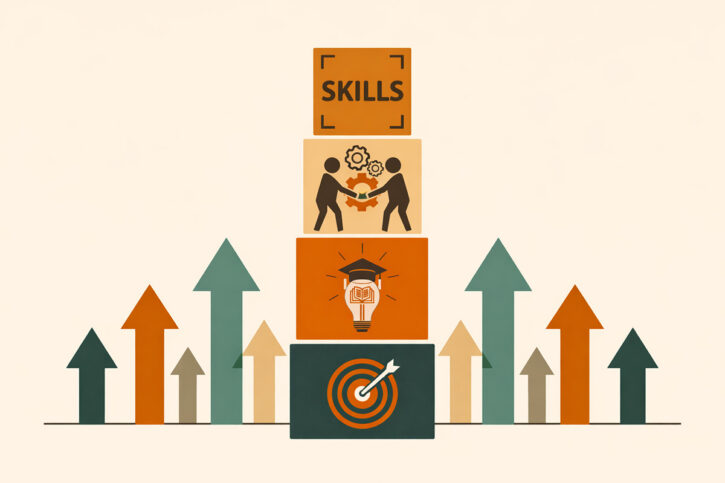
The landscape of work is changing rapidly, driven by technology and evolving business needs. One of the most significant trends shaping the workforce is the rise of “superjobs,” a term used to describe roles that combine responsibilities across multiple traditional domains and incorporate advanced technology to accomplish more complex tasks. Unlike traditional jobs, superjobs require…

The concept of lifelong learning has become an imperative. As organizations grapple with rapid changes in technology, shifting market conditions, and evolving employee expectations, fostering a culture of continuous learning is essential. For organizations to remain agile and competitive, they must invest in the reskilling and upskilling of their employees. Recent research highlights that 54%…