
Conflict at work is inevitable. Differences of ideas, values, personalities, generations, roles, and cultures are just some of the many potential sources of disagreements in the workplace. Conflict has always been and will always be a part of working with others. However, today’s fast-paced, ever-changing, high-stress work environment only exacerbates the natural human tendency for conflict.
How organizations address conflict can have a lasting impact on employee morale, engagement, and retention. All too often, leaders elect to avoid or delay addressing conflicts, assuming they will resolve on their own or fearing of making things worse. However, the consequences of this avoidance are far-reaching, leading to disengaged employees, reduced productivity, and even increased turnover.
This article explores the benefits of early conflict resolution in organizations, focusing on how addressing disputes promptly can improve organizational outcomes. Drawing on insights from the 2023 CIPD report on Managing Conflict in the Modern Workplace,* this article demonstrates how early intervention not only mitigates potential issues but also enhances employee well-being, organizational culture, and long-term performance.
The Real Cost of Conflict Avoidance
Conflict avoidance might seem like a benign strategy, especially in the short term. Leaders may hesitate to intervene in interpersonal disputes or minor disagreements, hoping to prevent confrontation or disruption. However, research reveals that ignoring conflict does not make it disappear, and often escalates the problem.
The CIPD Managing Conflict highlights how unresolved conflict leads to significant costs for organizations. On average, employees spend 2.8 hours per week dealing with conflict, costing businesses billions in lost productivity. Moreover, unresolved disputes can escalate into major issues, resulting in absenteeism, disengagement, and even long-term damage to workplace relationships. According to the report, 30% of employees have witnessed conflict that led to someone leaving the organization.
Avoidance perpetuates a cycle of disengagement. Employees who feel their concerns or disputes are not being addressed by leadership are more likely to withdraw from their work, leading to lower morale and overall organizational performance. When conflict lingers, it can spread to affect team dynamics, create friction among employees, and erode the trust between leaders and their teams.
Two Benefits of Addressing Conflicts Early
A key emphasis in the CIPD Managing Conflict is the value of engaged employees. Organizations that proactively address conflict see higher levels of engagement and productivity. Conflict resolution, when done correctly, can lead to a more inclusive and psychologically safe workplace where employees are motivated to perform their best. Employees are more likely to take initiative, contribute innovative ideas, and work collaboratively when they feel their concerns will be resolved fairly and promptly.
A second major benefit of addressing conflicts early is the impact on team performance. Conflict often disrupts team cohesion, but early intervention can enhance team dynamics rather than detract from them. By addressing issues as they arise, leaders create a culture of transparency and open communication. It helps prevent minor misunderstandings from turning into larger problems and fosters stronger psychological safety (a critical component of high-performing teams) and trust.
Applying Social Dynamics to Conflict Resolution
The Social Dynamics model offers a unique framework for understanding the role that different social styles play in contributing to workplace conflict. The four styles represent different innate approaches to decision-making, communication, and conflict resolution. By recognizing these natural preferences, leaders can tailor their conflict resolution strategies to suit the needs of all their team members.
The 4 Social Dynamics Styles
By understanding the social styles of their team members, leaders can intervene early and prevent conflicts from escalating. The Social Dynamics model provides a roadmap for navigating diverse communication preferences, helping to make sure that conflicts are resolved in a way that benefits both the individual and the organization.
Actionable Steps for Early Conflict Resolution
To effectively implement early conflict resolution, leaders can follow these actionable strategies:
- Encourage Open Communication: Foster a culture where employees feel comfortable raising concerns and addressing conflicts as they arise. Open-door policies and regular check-ins can help employees feel supported and prevent minor issues from escalating.
- Provide Conflict Resolution Training: Equip employees and managers with the skills needed to resolve conflicts constructively. This includes active listening, negotiation techniques, and emotional intelligence training.
- Recognize Early Warning Signs: Leaders should be trained to recognize the early signs of conflict, whether it’s through changes in behavior, declining performance, or interpersonal tensions, and intervene before issues become serious.
- Apply the Social Dynamics Framework: Tailor conflict resolution approaches based on employees’ communication and decision-making preferences. Use the Social Dynamics model to understand how different interaction styles influence the nature of conflicts and customize interventions accordingly.
FREE DOWNLOAD
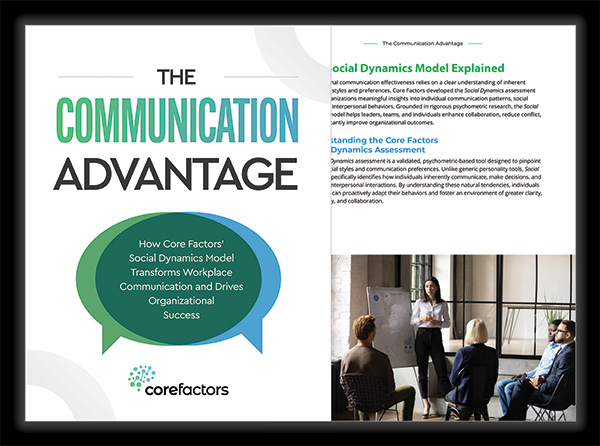
The Communication Advantage: How Core Factors' Social Dynamics Model Transforms Workplace Communication and Drives Organizational Success
Recommended Reading

How to Connect and Collaborate with Anyone
This booklet reveals the hidden patterns that shape how people communicate, make decisions, contribute to teams, and respond to conflict. Discover how to turn differences into connection, and connection into productive collaboration.
View the Booklet